“Yellow Stripe” by Kritsada Boonrit
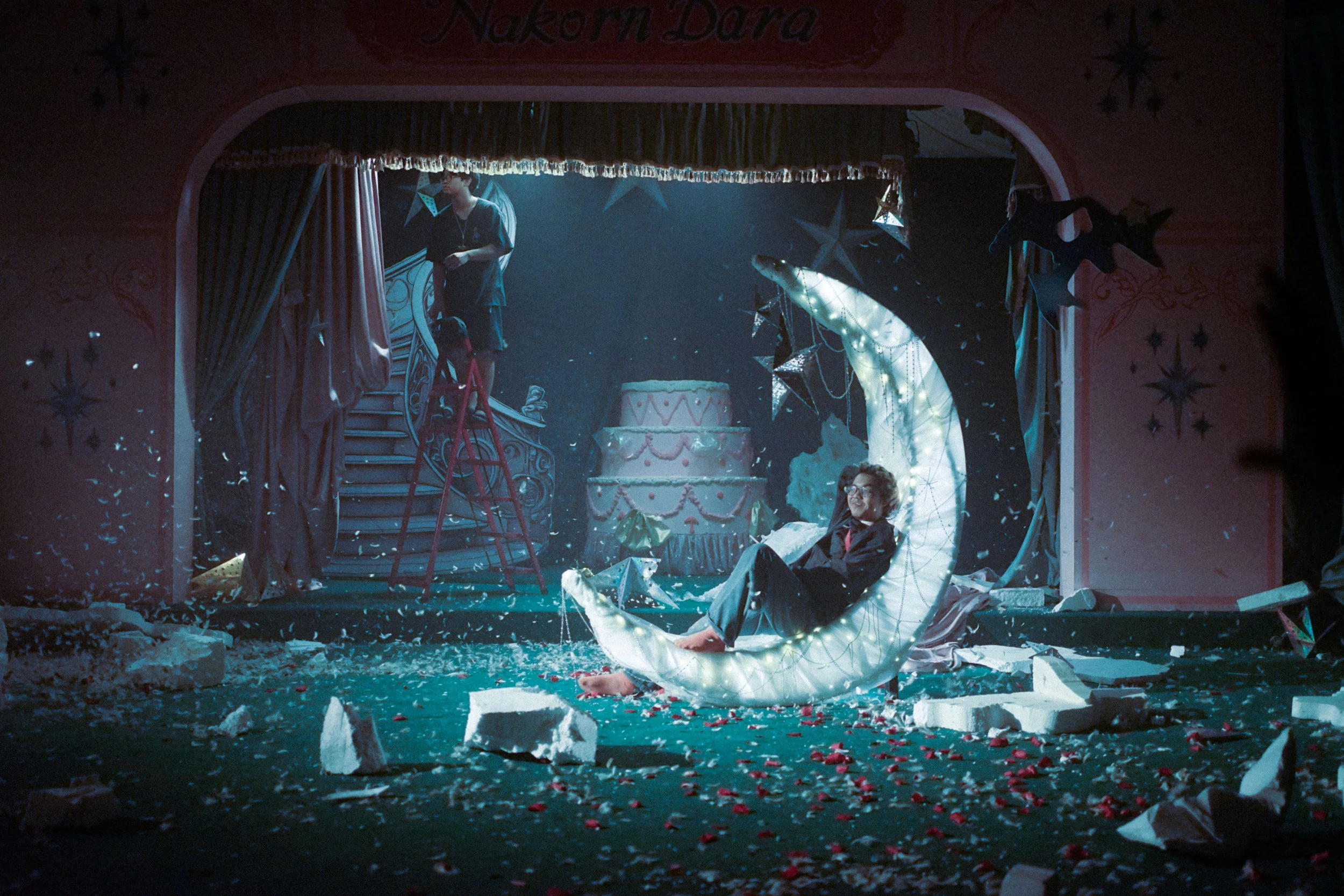
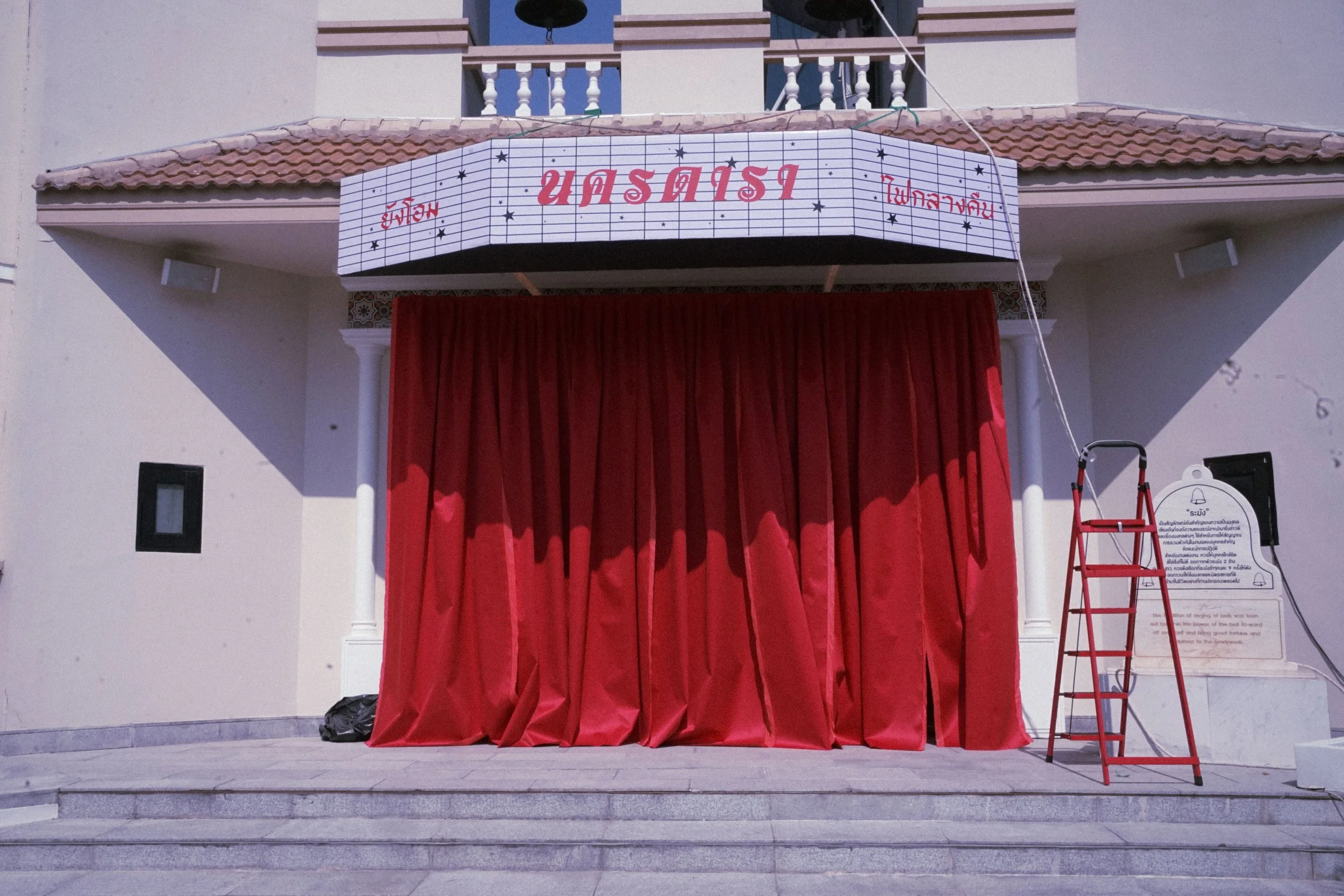
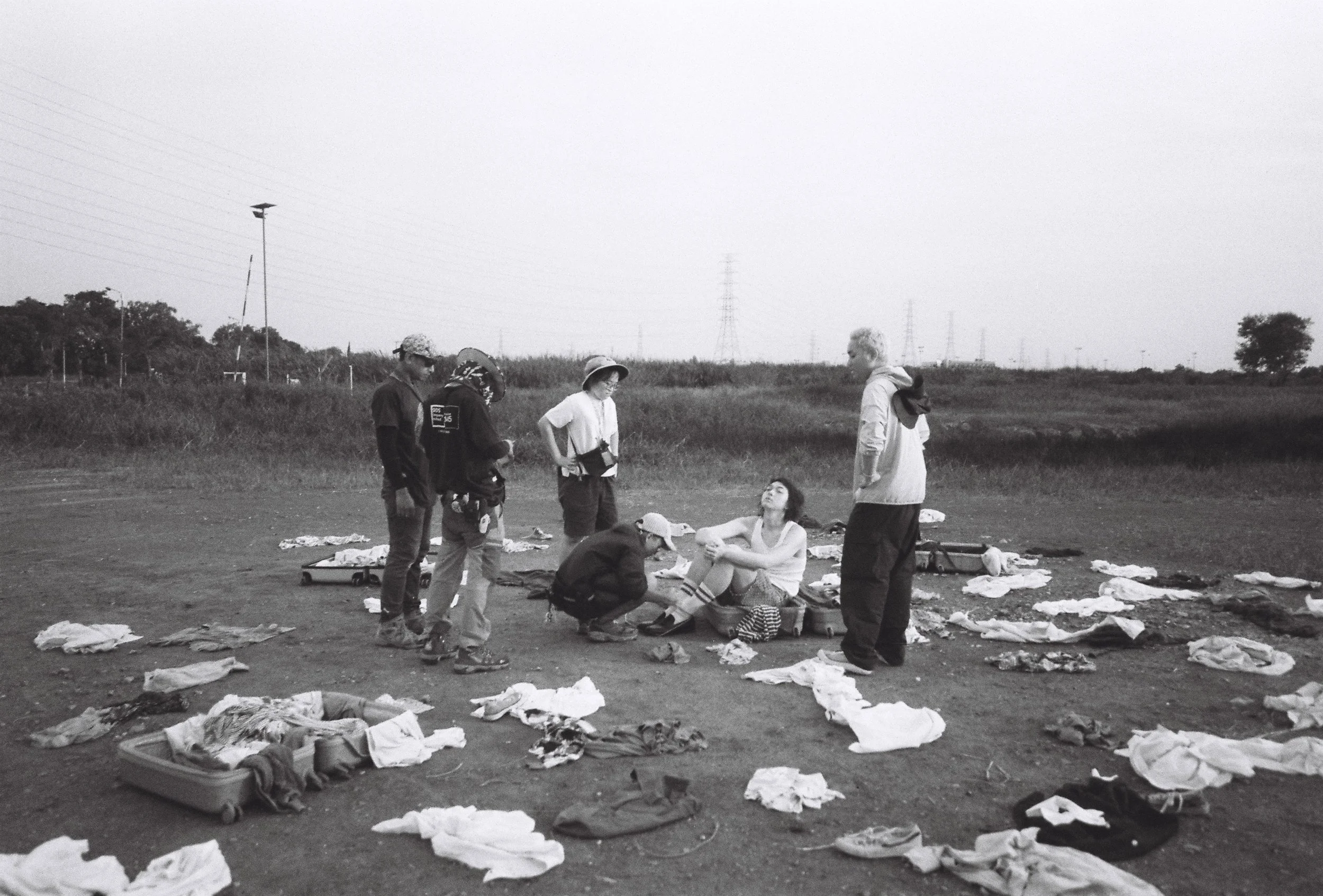
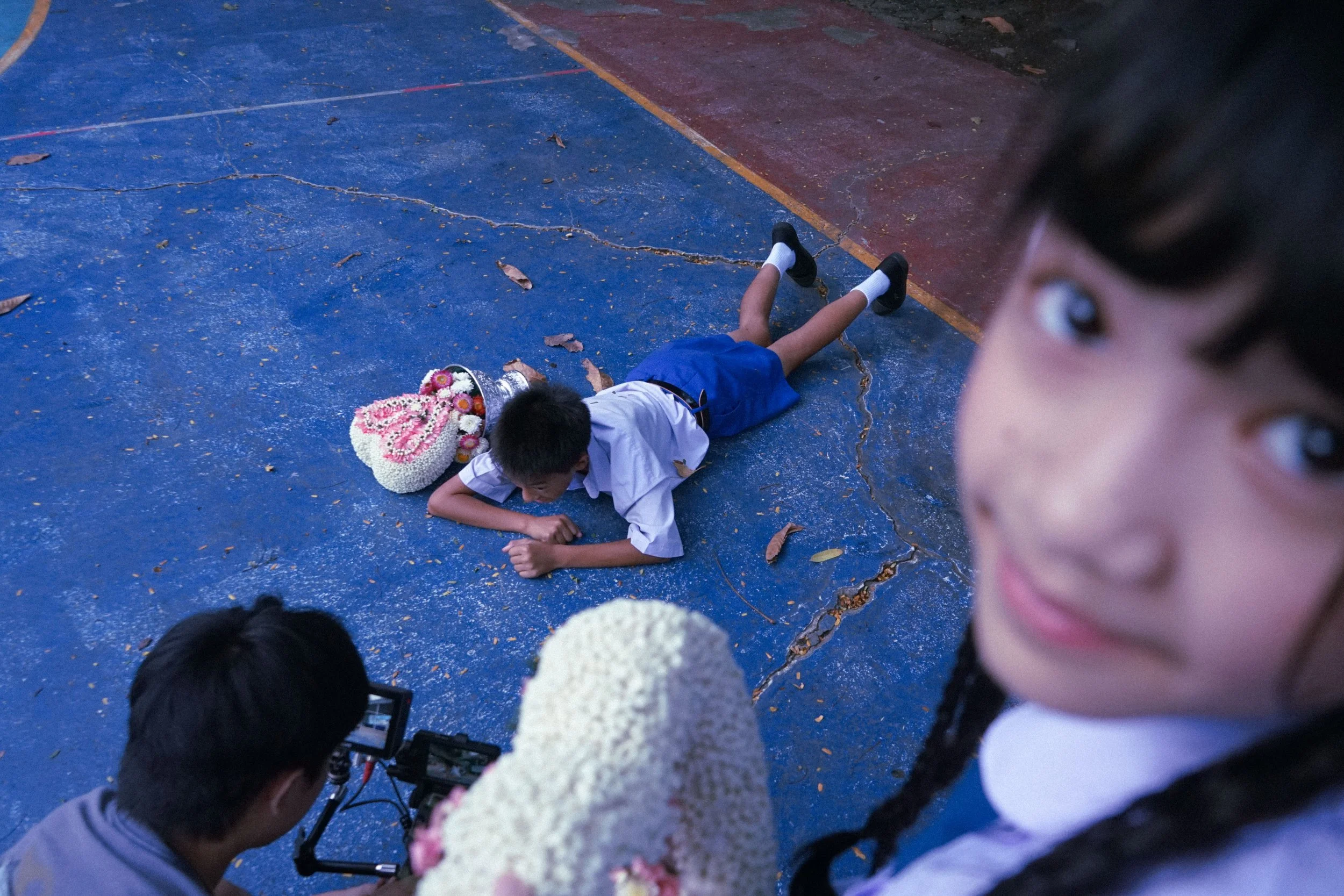
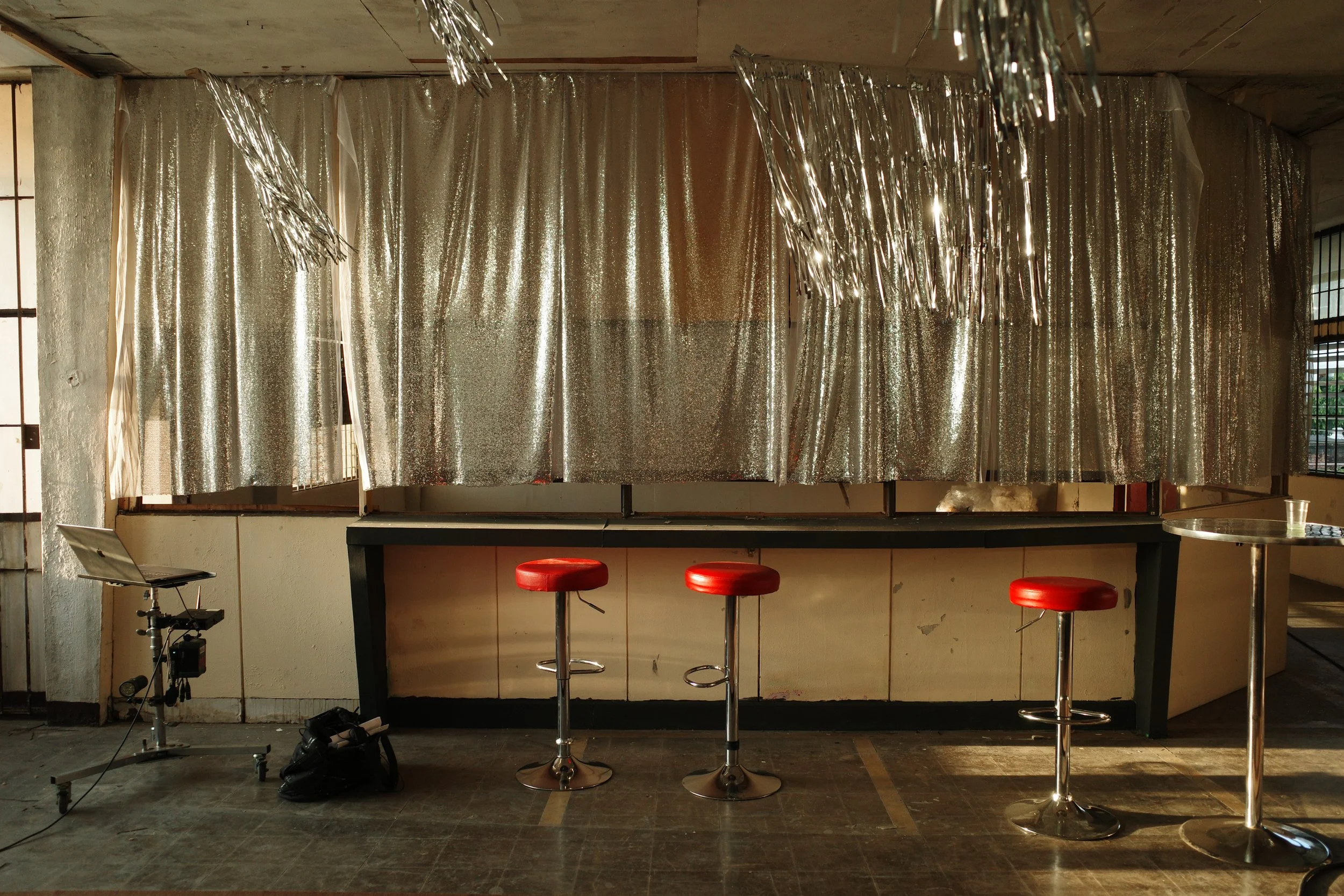
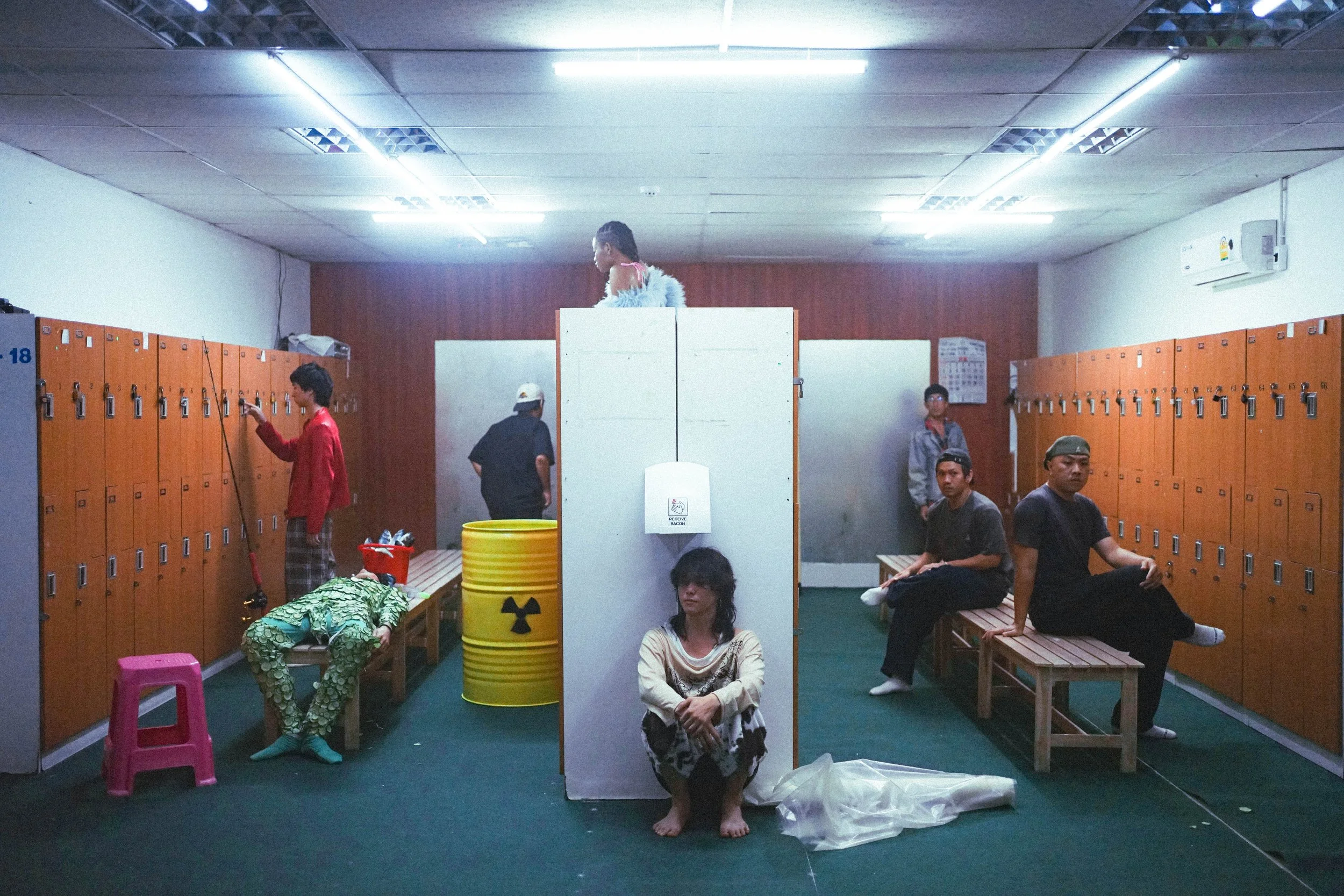
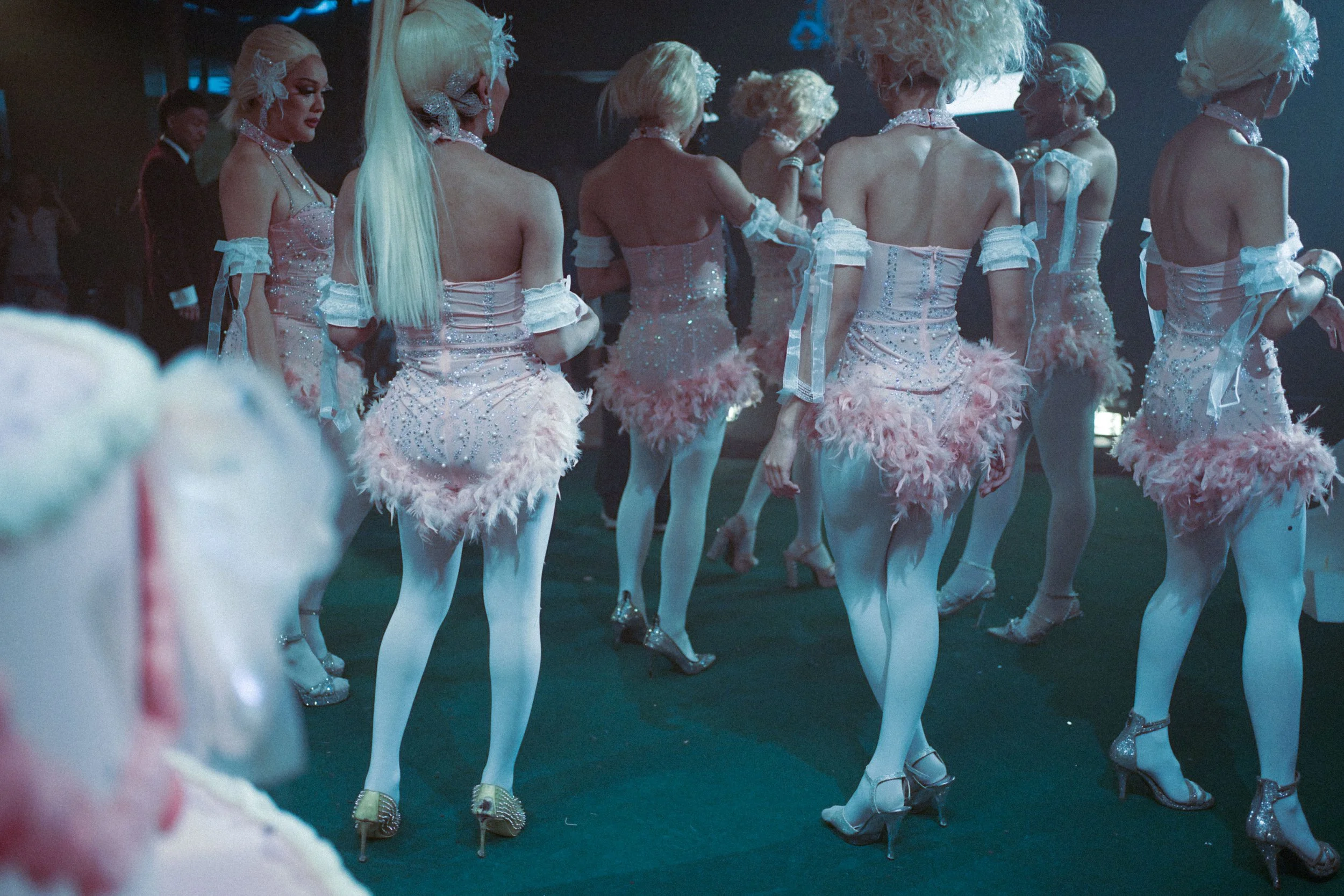
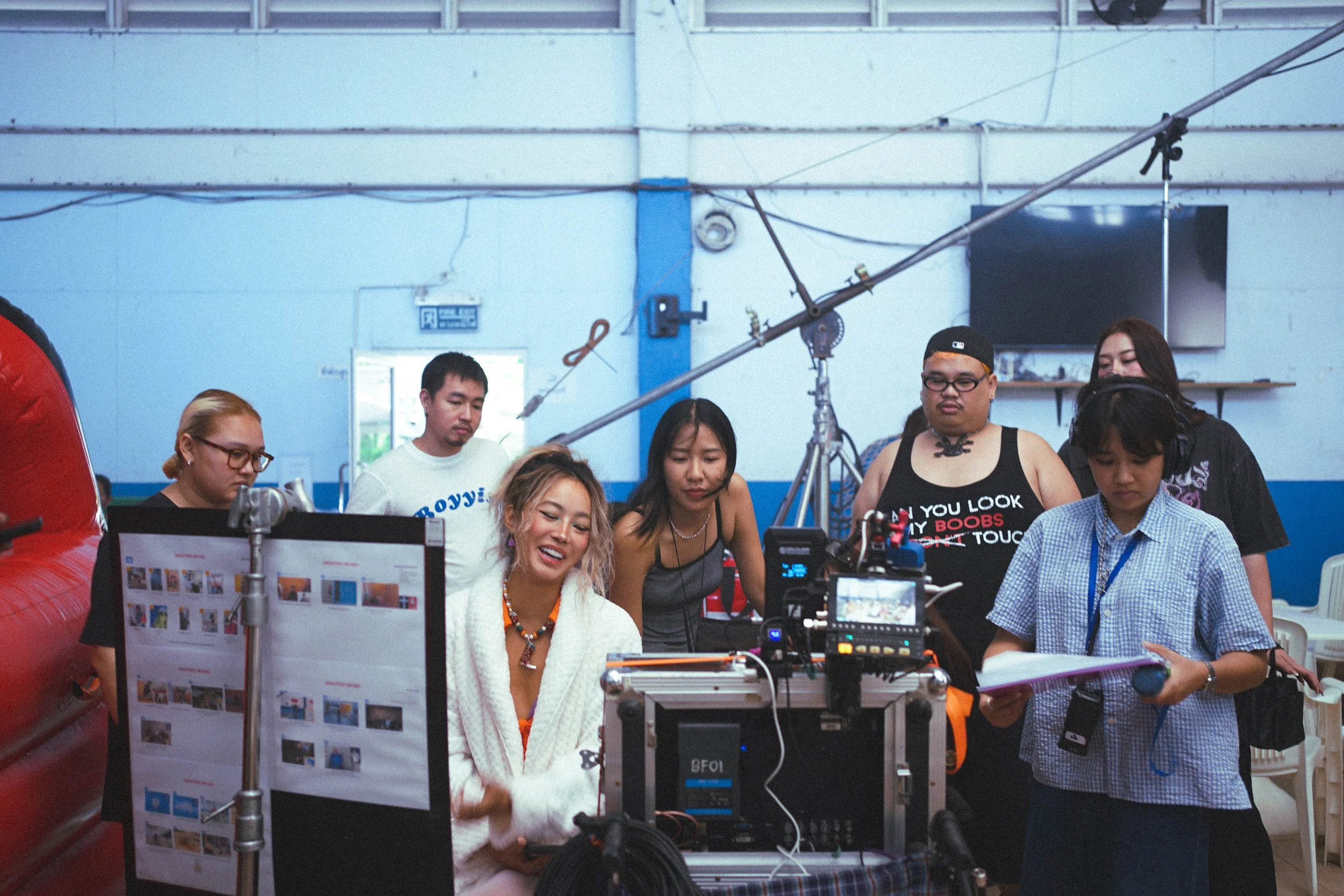
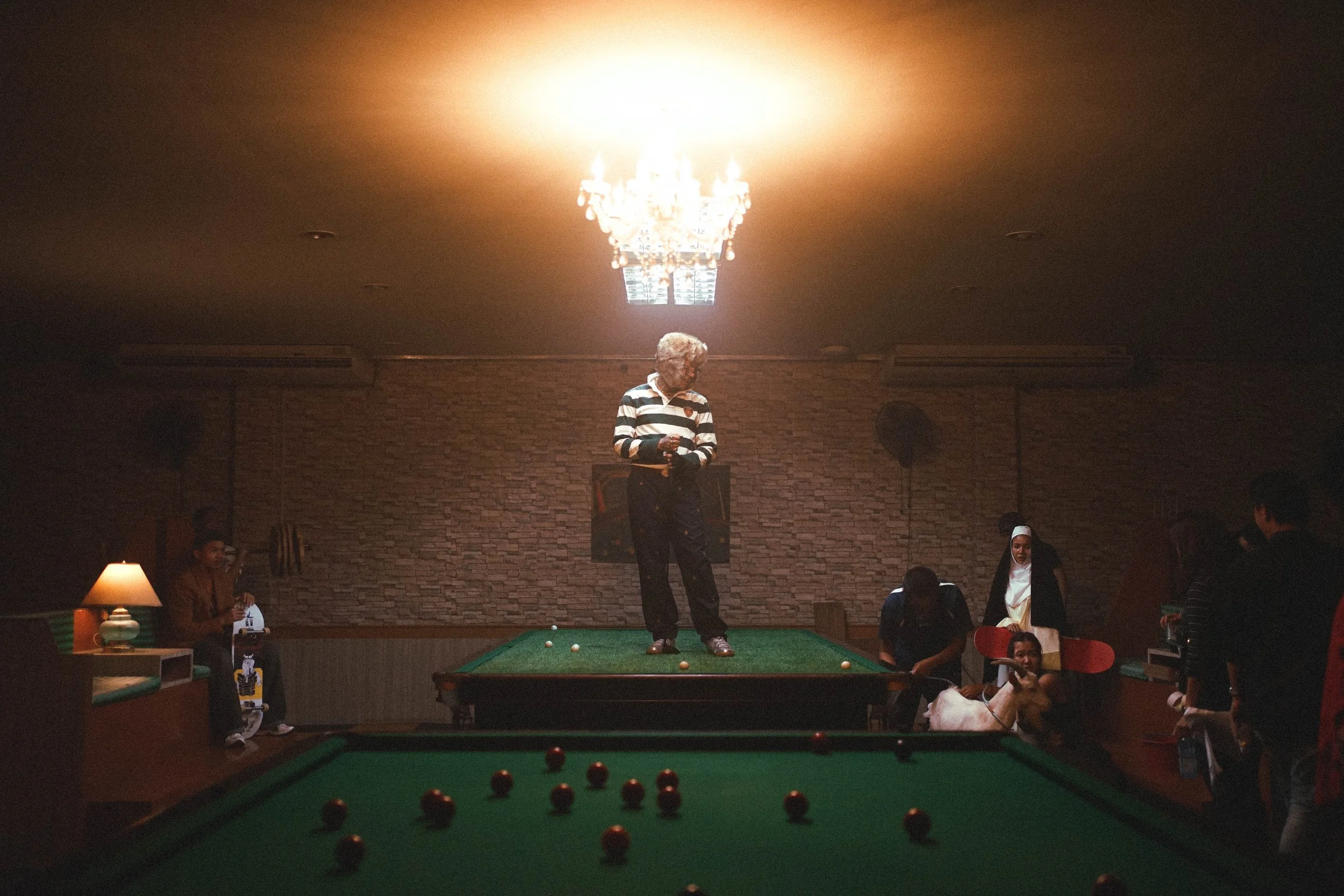
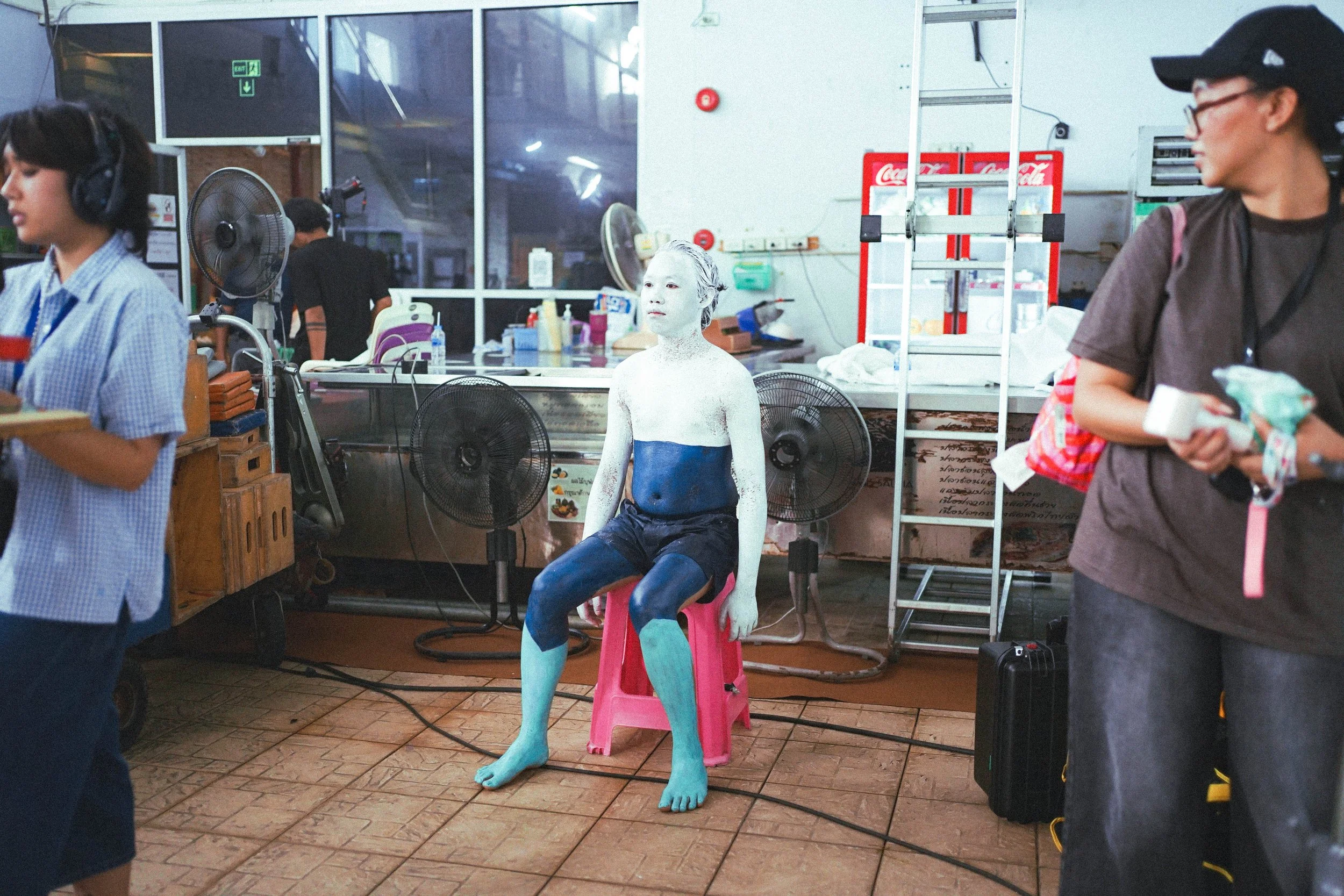
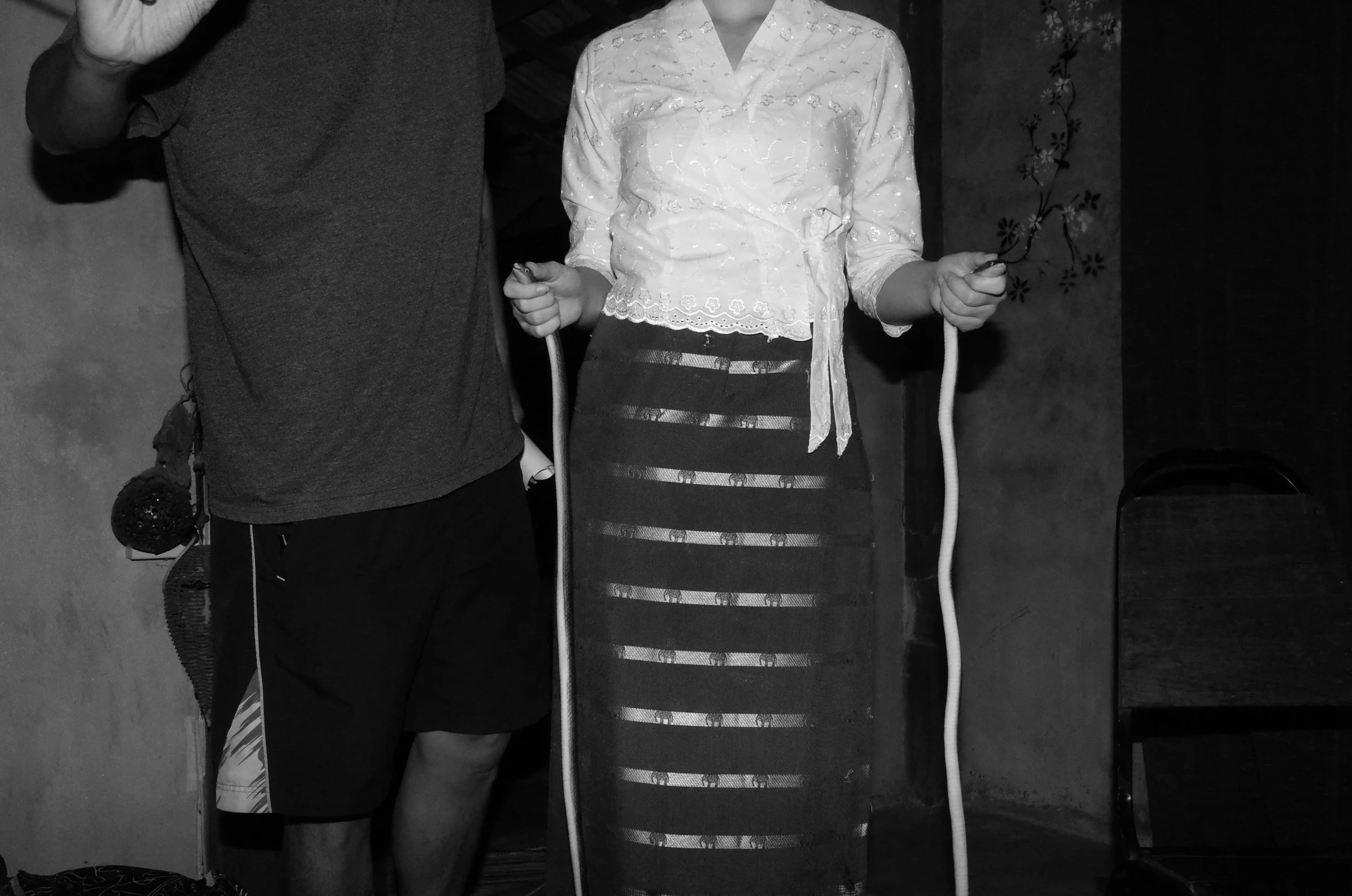
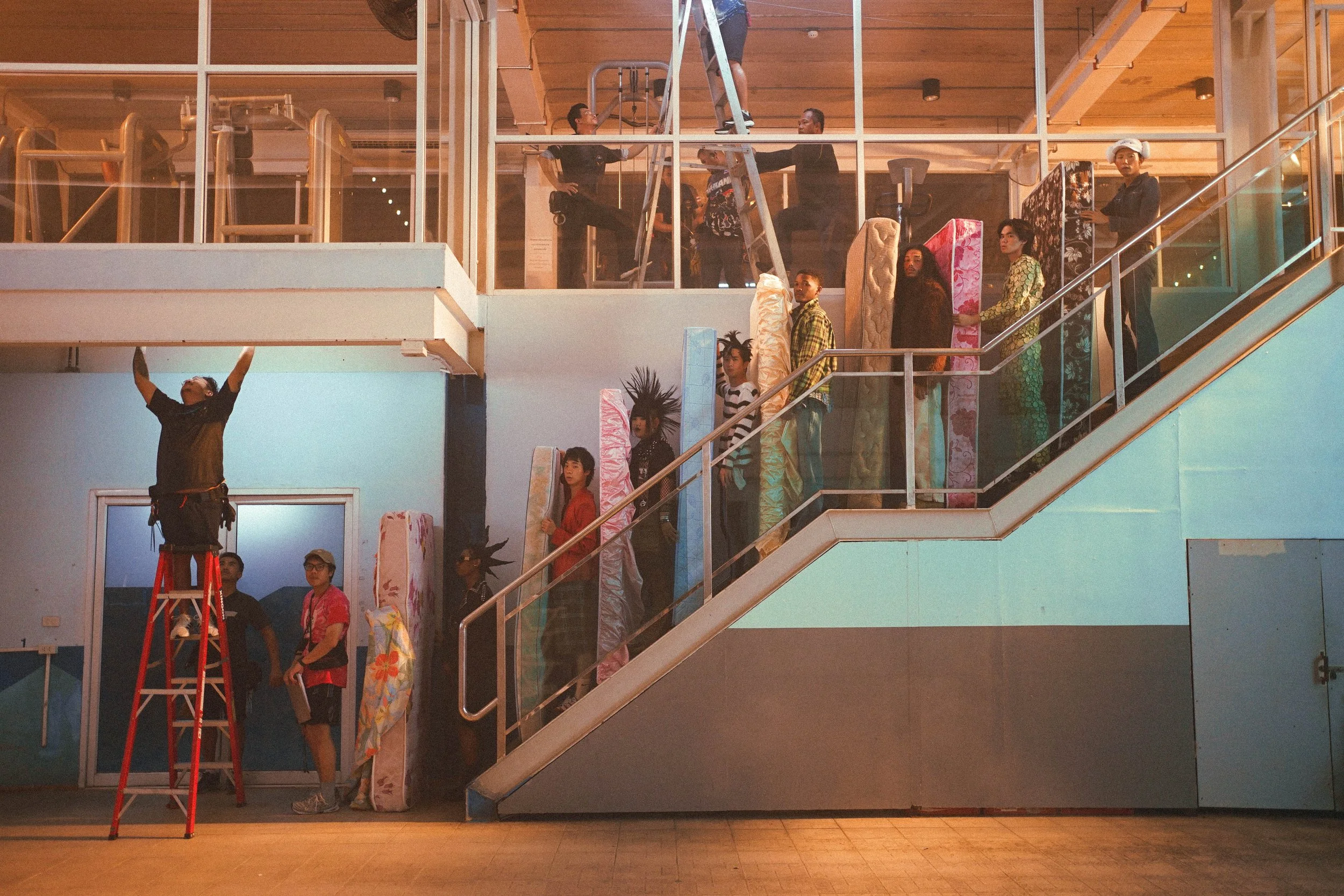
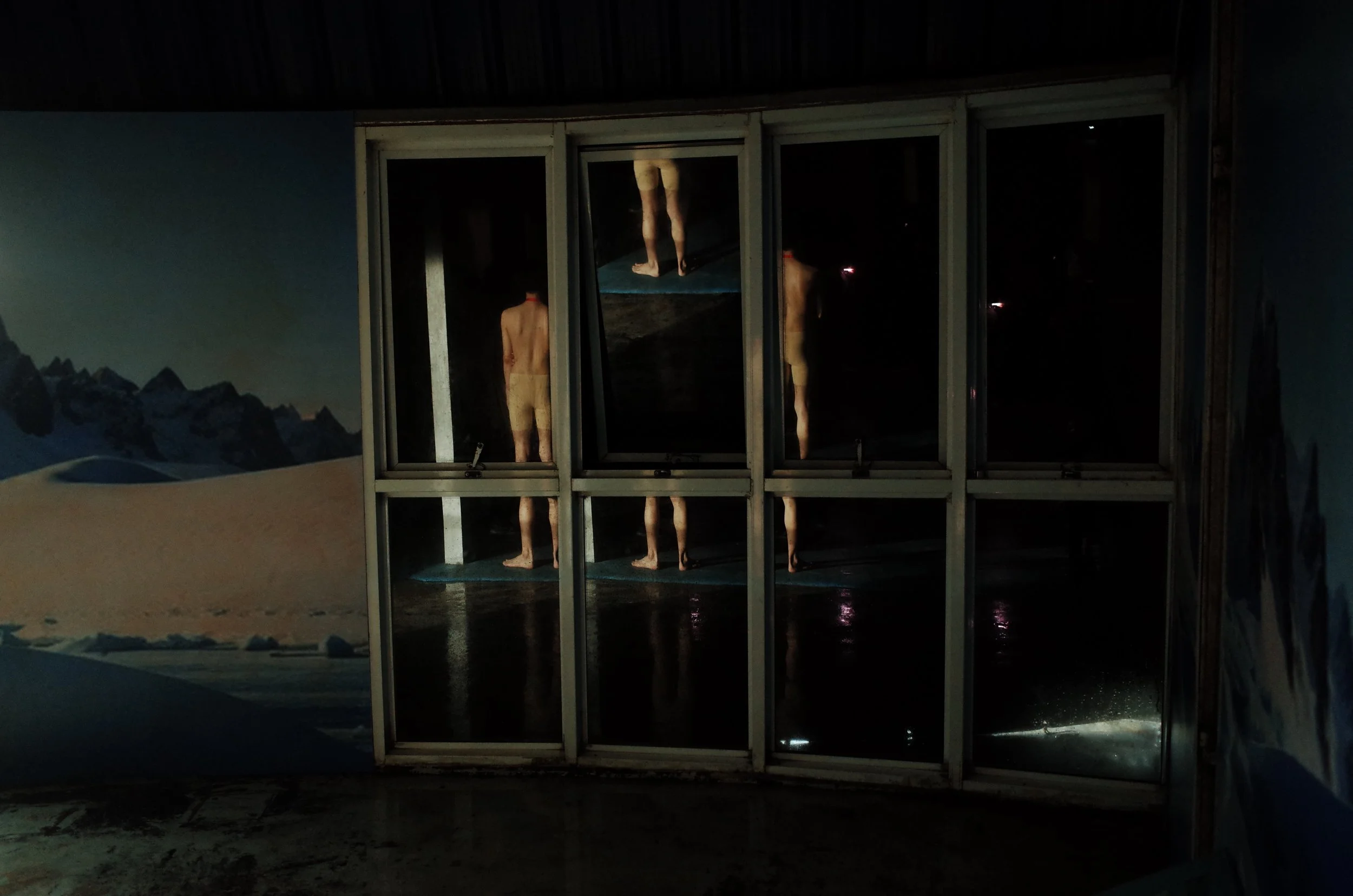
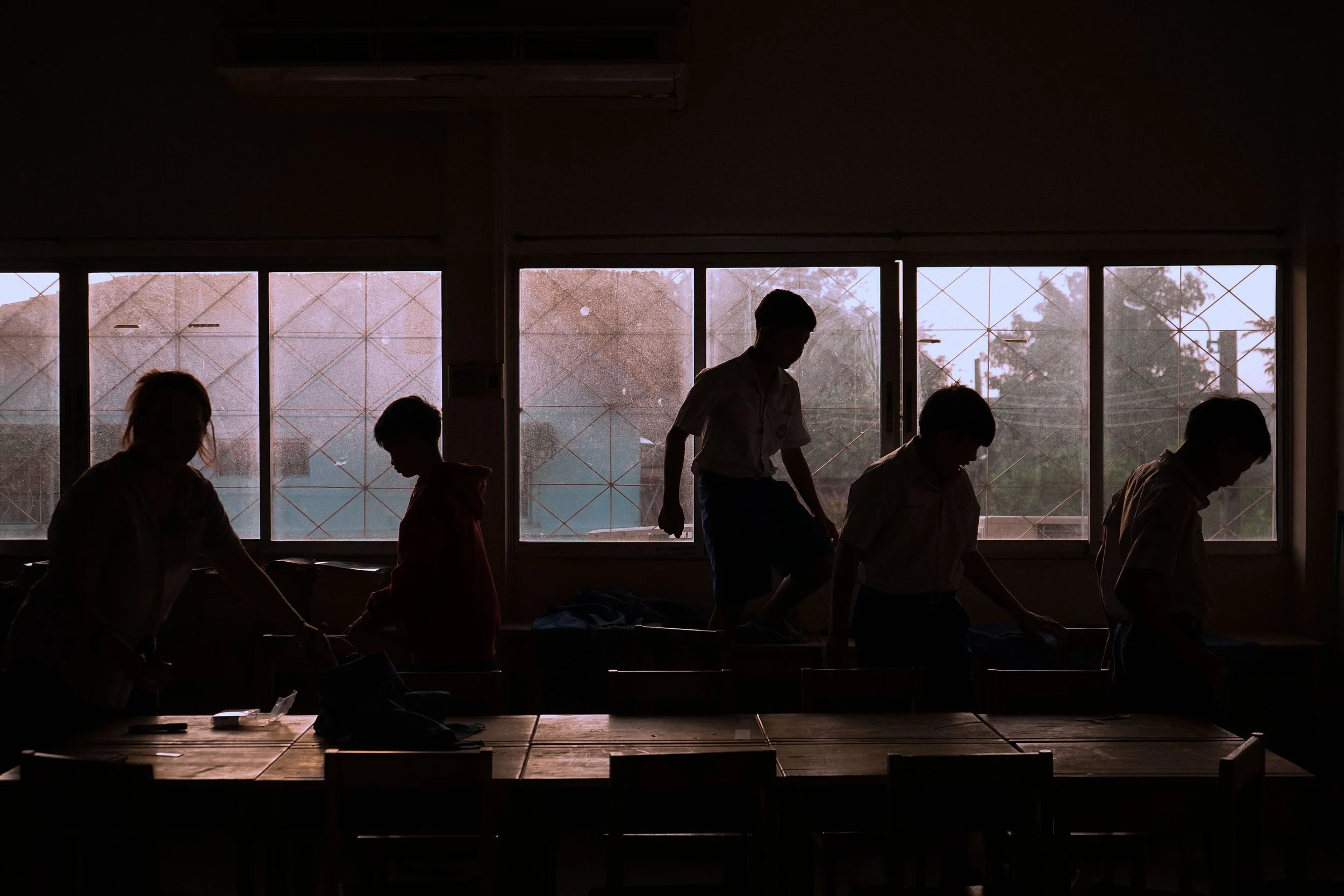
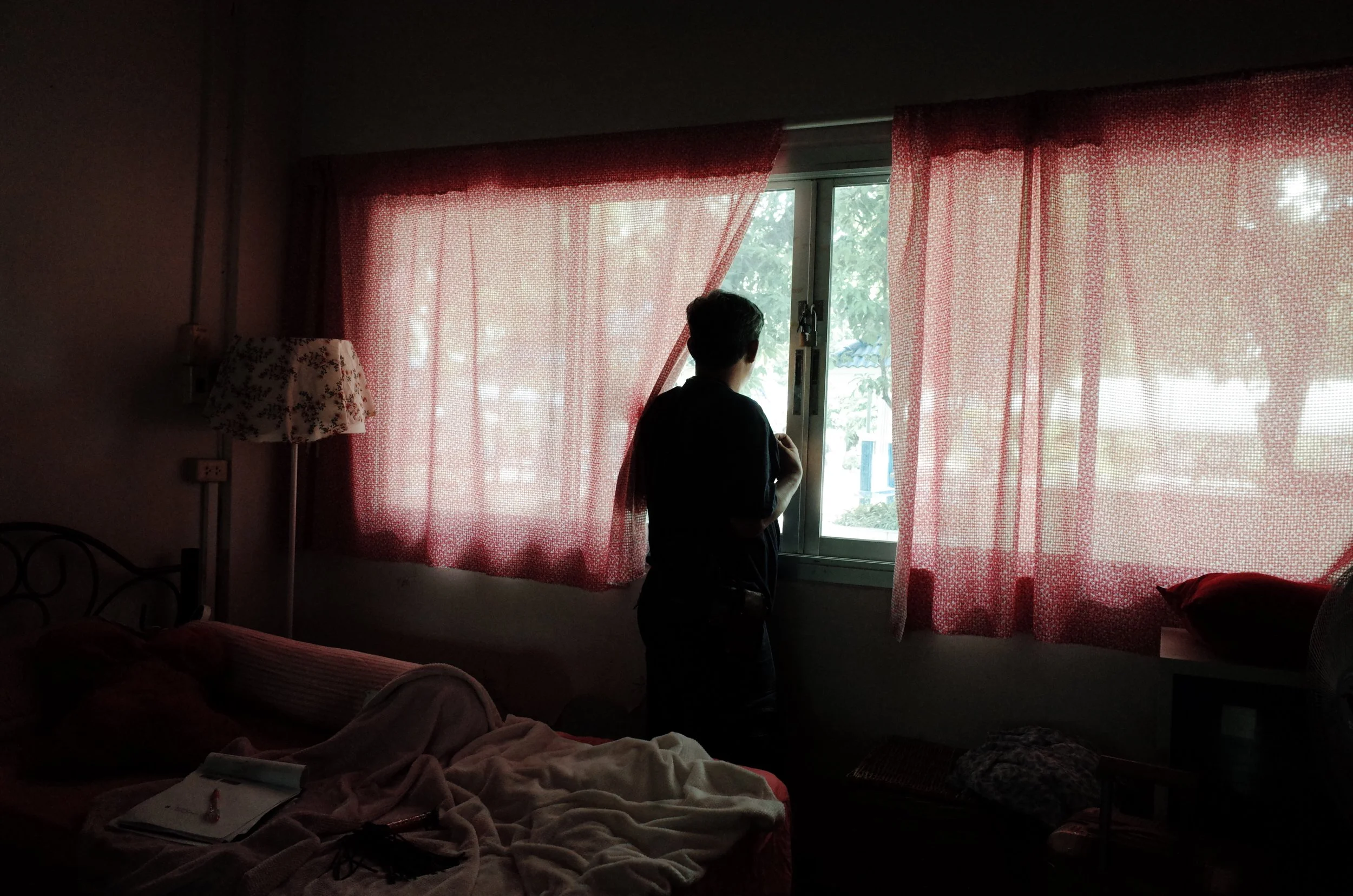
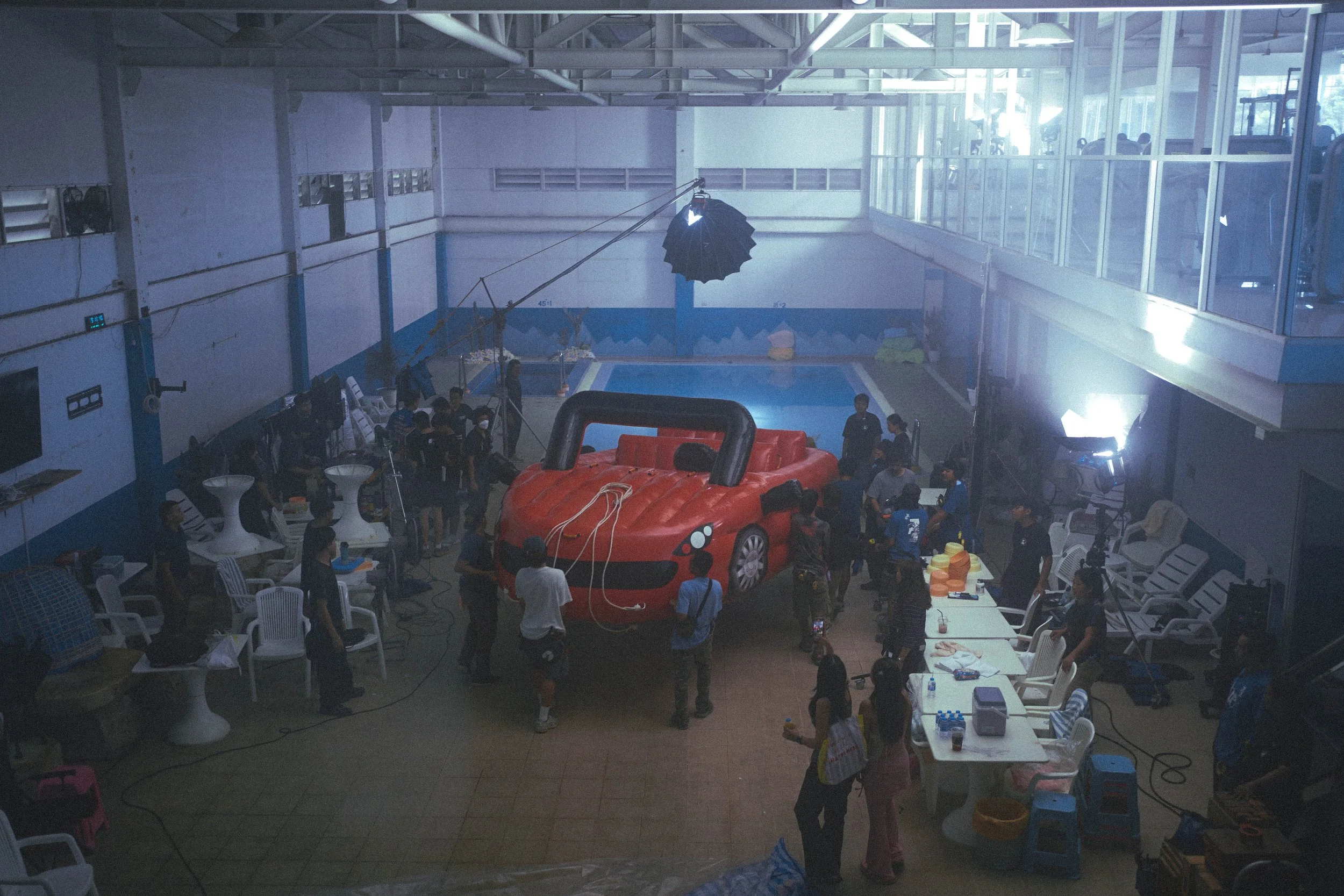
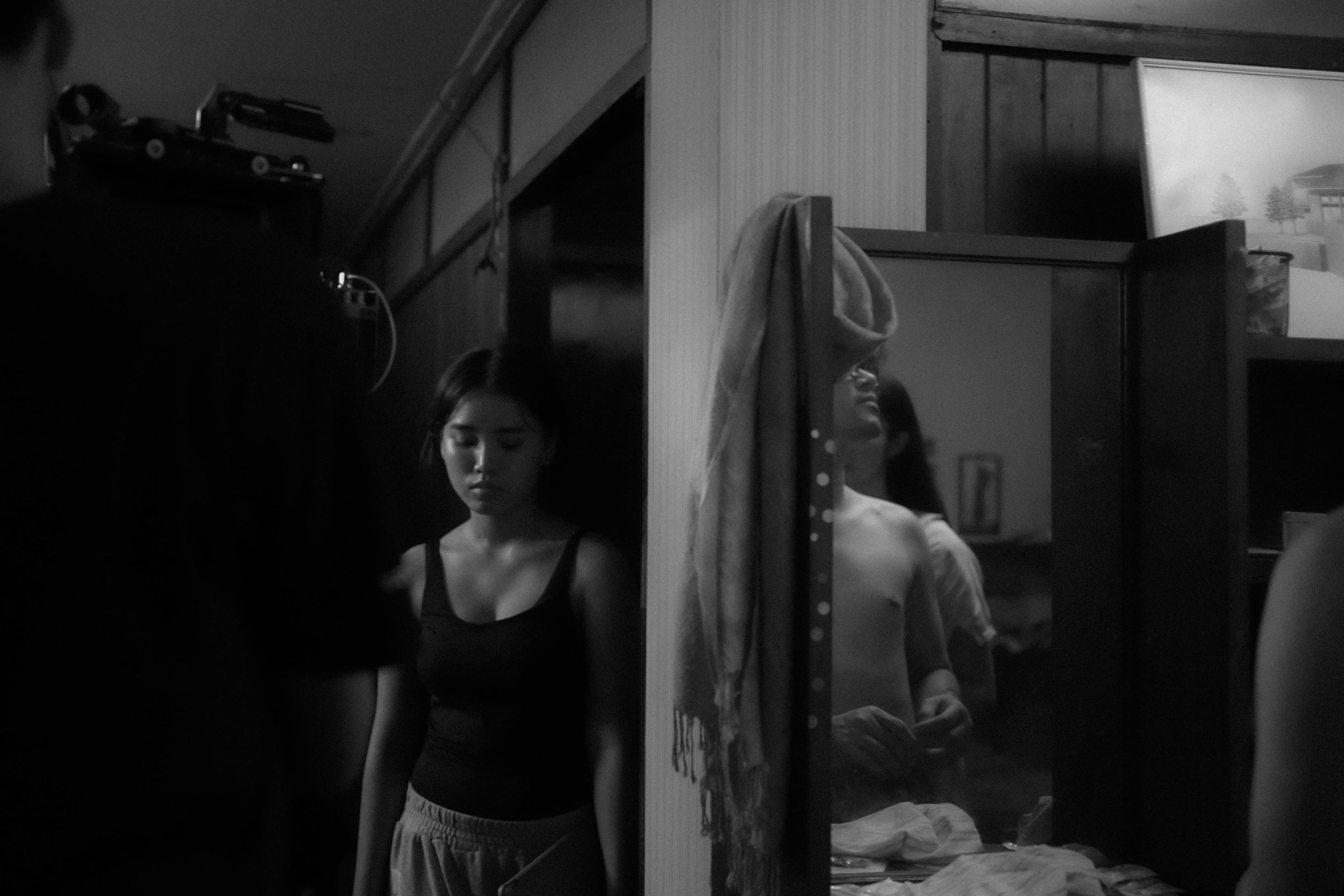
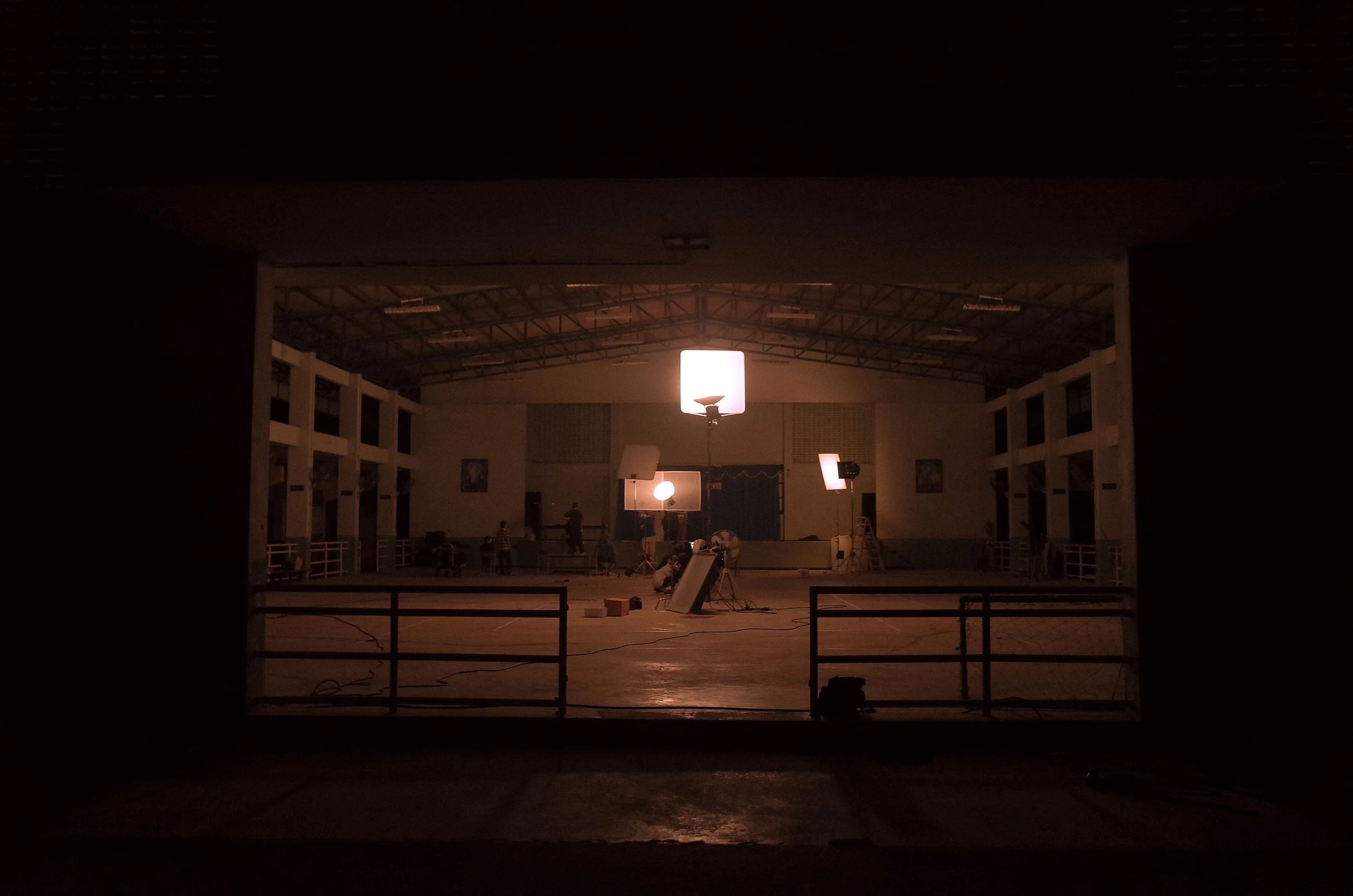
Yellow Stripe is a zine about what happens behind the scenes on a film set: the chaotic, funny, unguarded side of production that never makes it onto the screen.
KOIDID, the alias of cinematographer Kritsada Boonrit, better known as “Kiddoi” spends his days shooting music videos, films, and commercials. But he loves nothing more than turning the camera on the film crew.
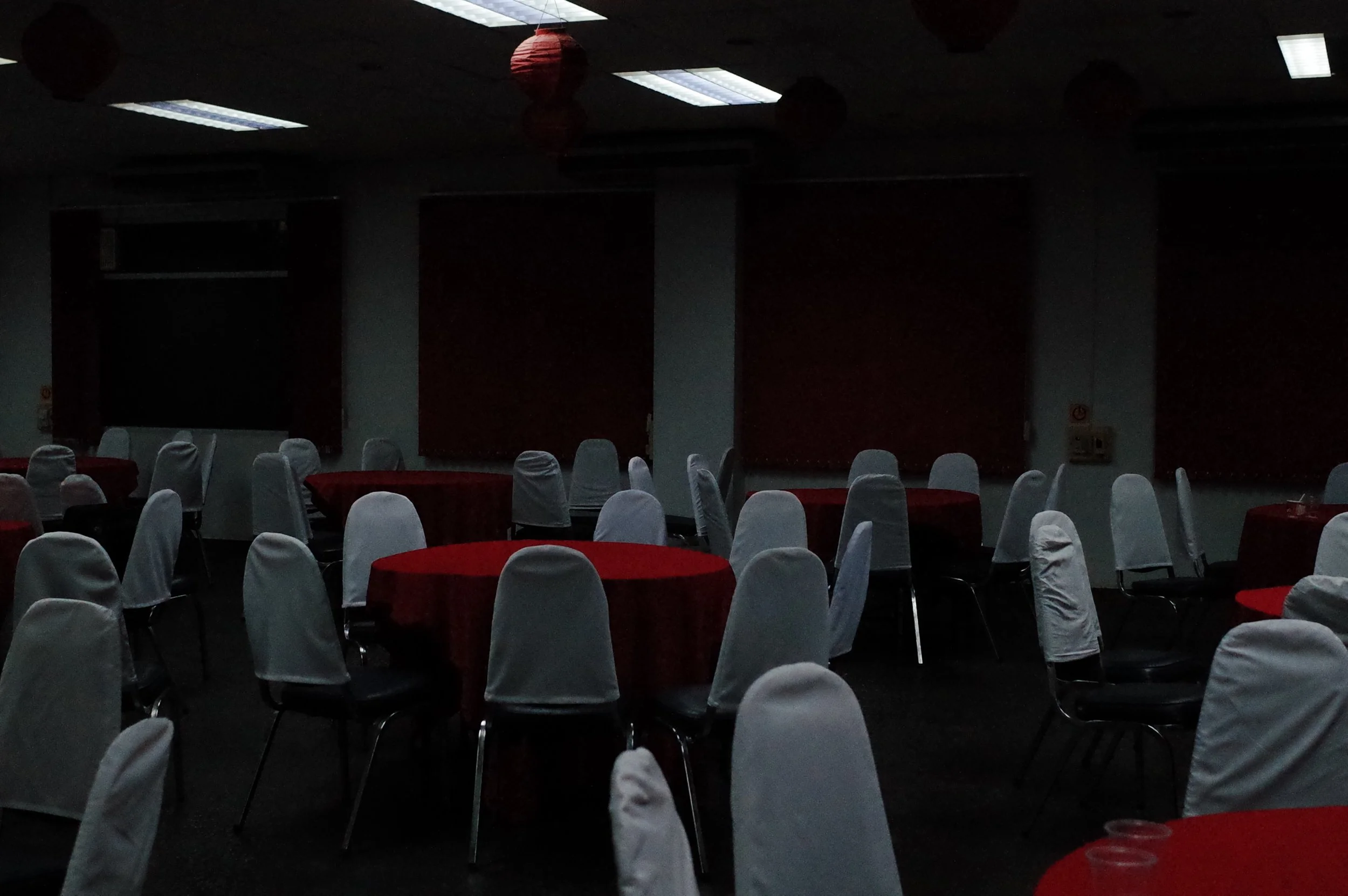
Yellow Stripe started as a habit. On set, in the gaps between setups, KOIDID found himself watching the way people and spaces on a shoot day become genuinely compelling to look at, chaotic and alive in a way the finished production rarely captures. He began carrying a small camera to every job just to snap. No plan for where the images would go.
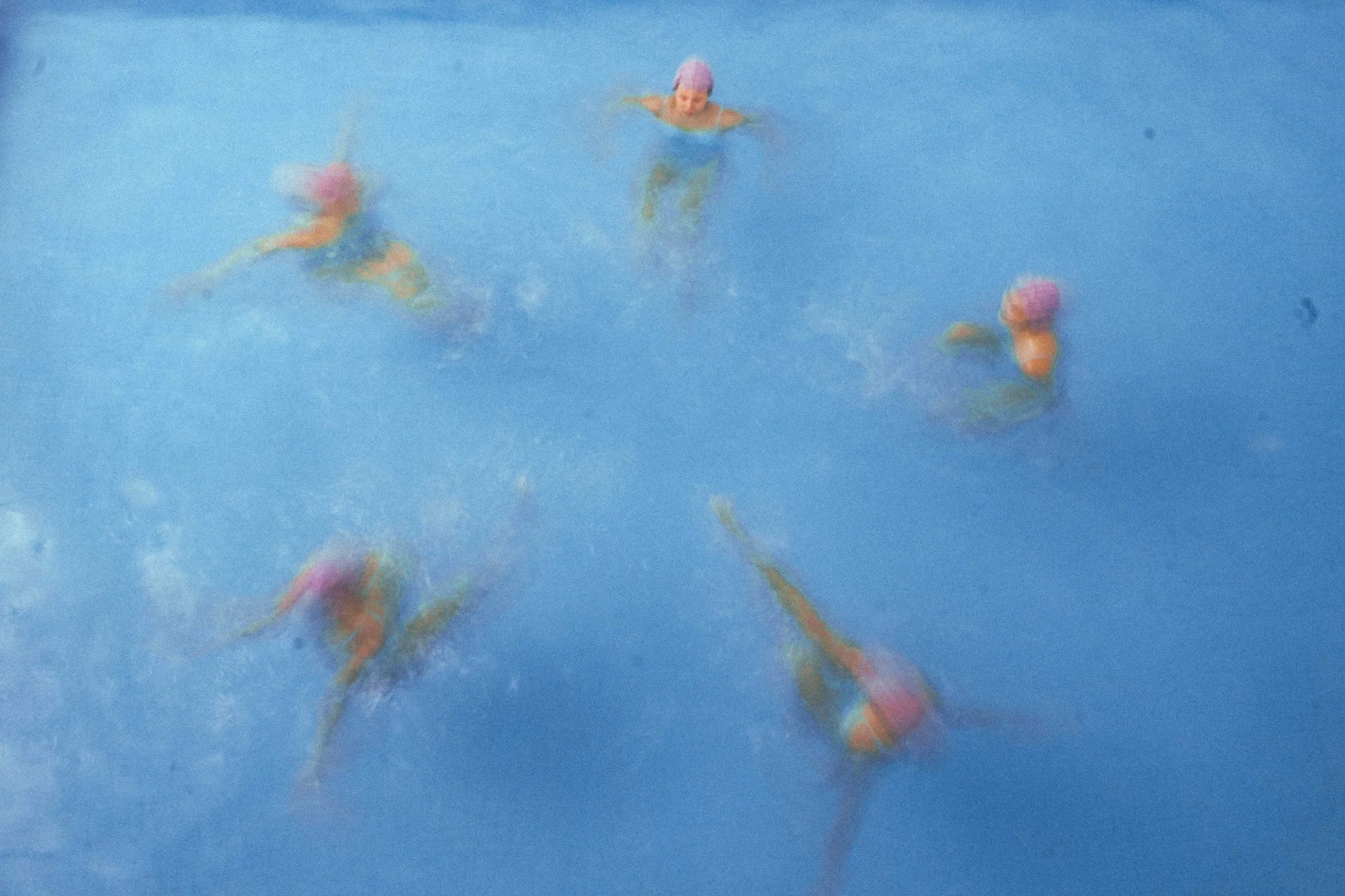
It was only after accumulating these images that he started paying closer attention to photobooks and zines. That curiosity sent him backward, into old magazines: studying color, studying composition, absorbing whatever caught his eye. Ask him to name his style, and he laughs it off. He isn't sure what to call it either. It's a mix of too many references to land on one label.
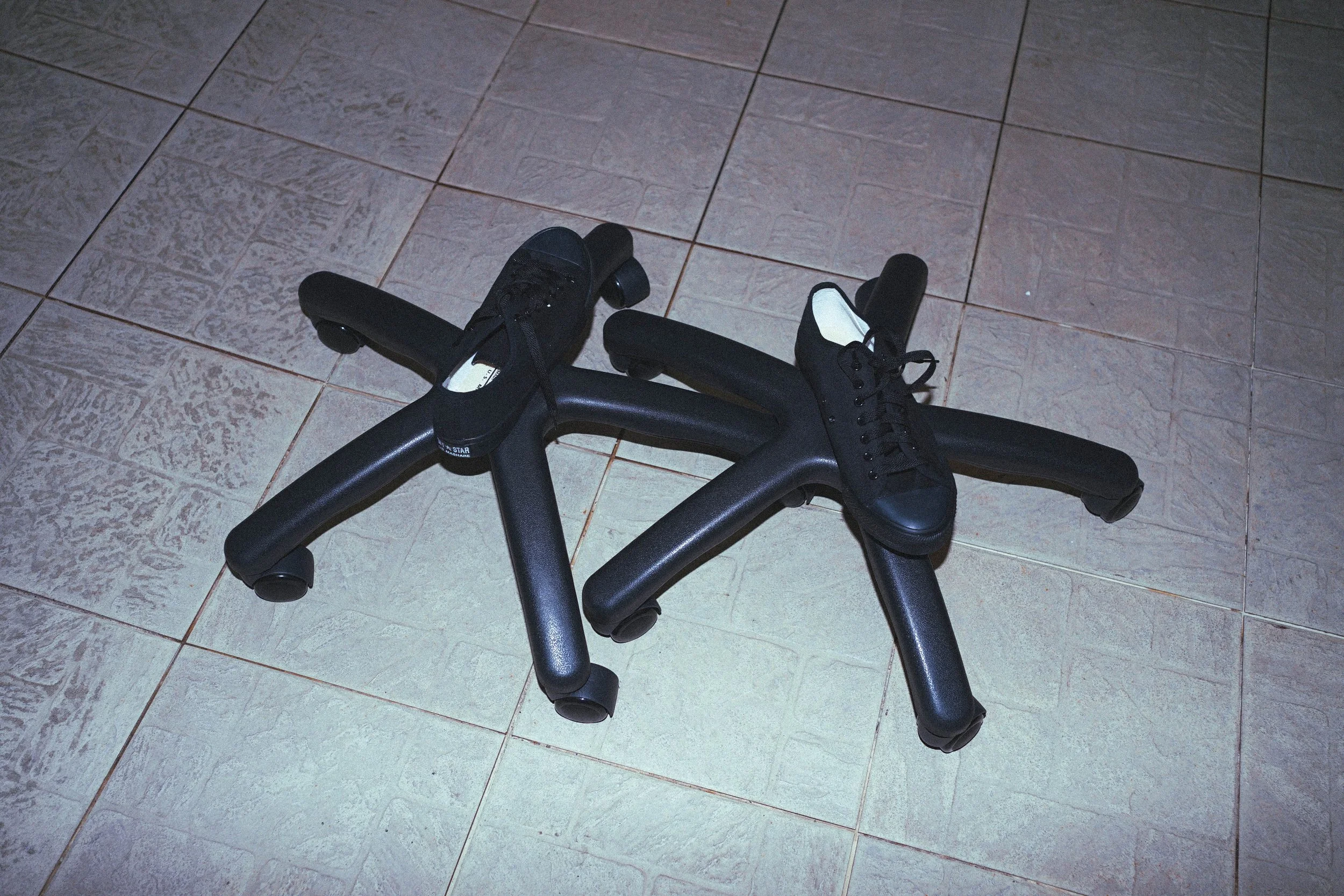
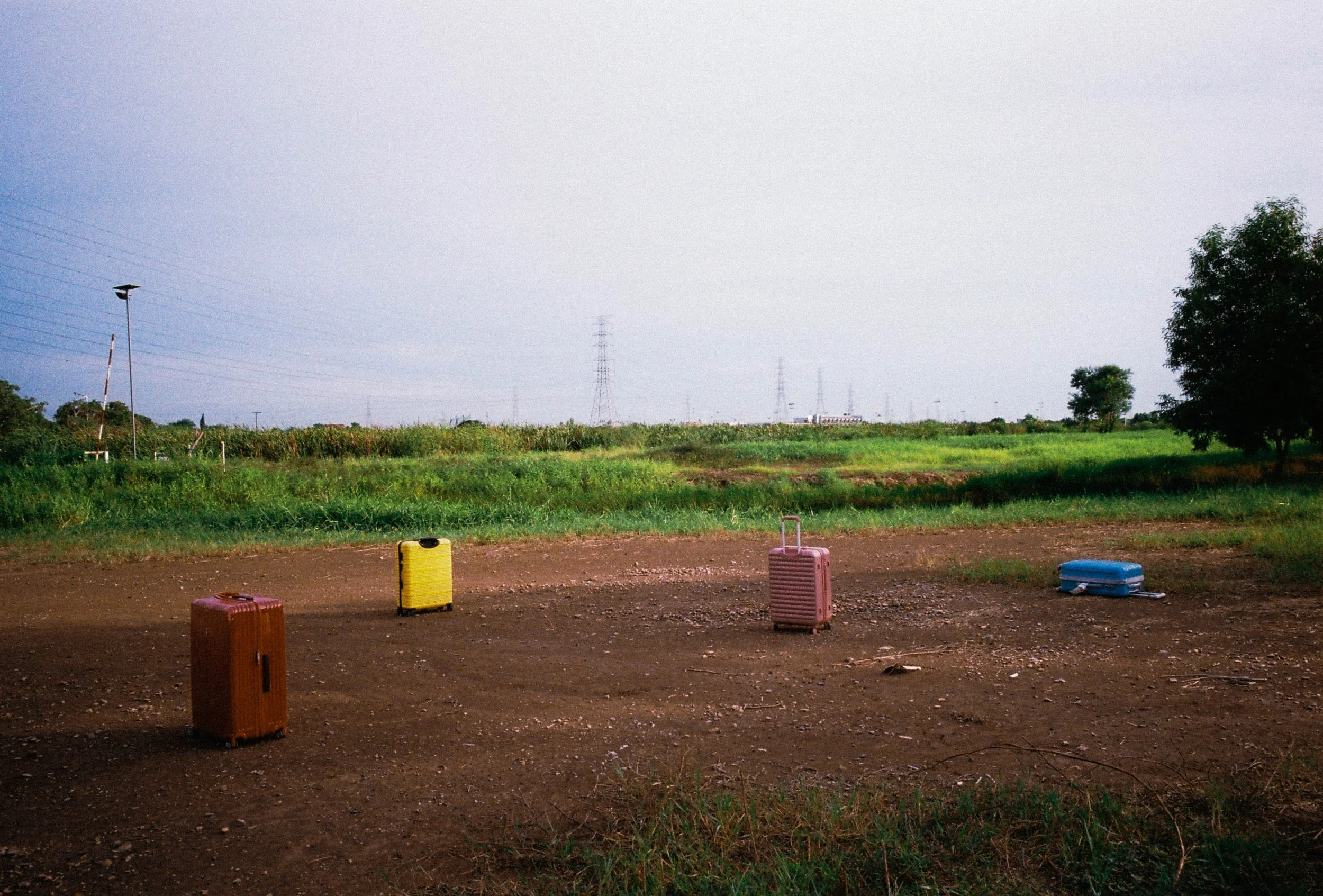
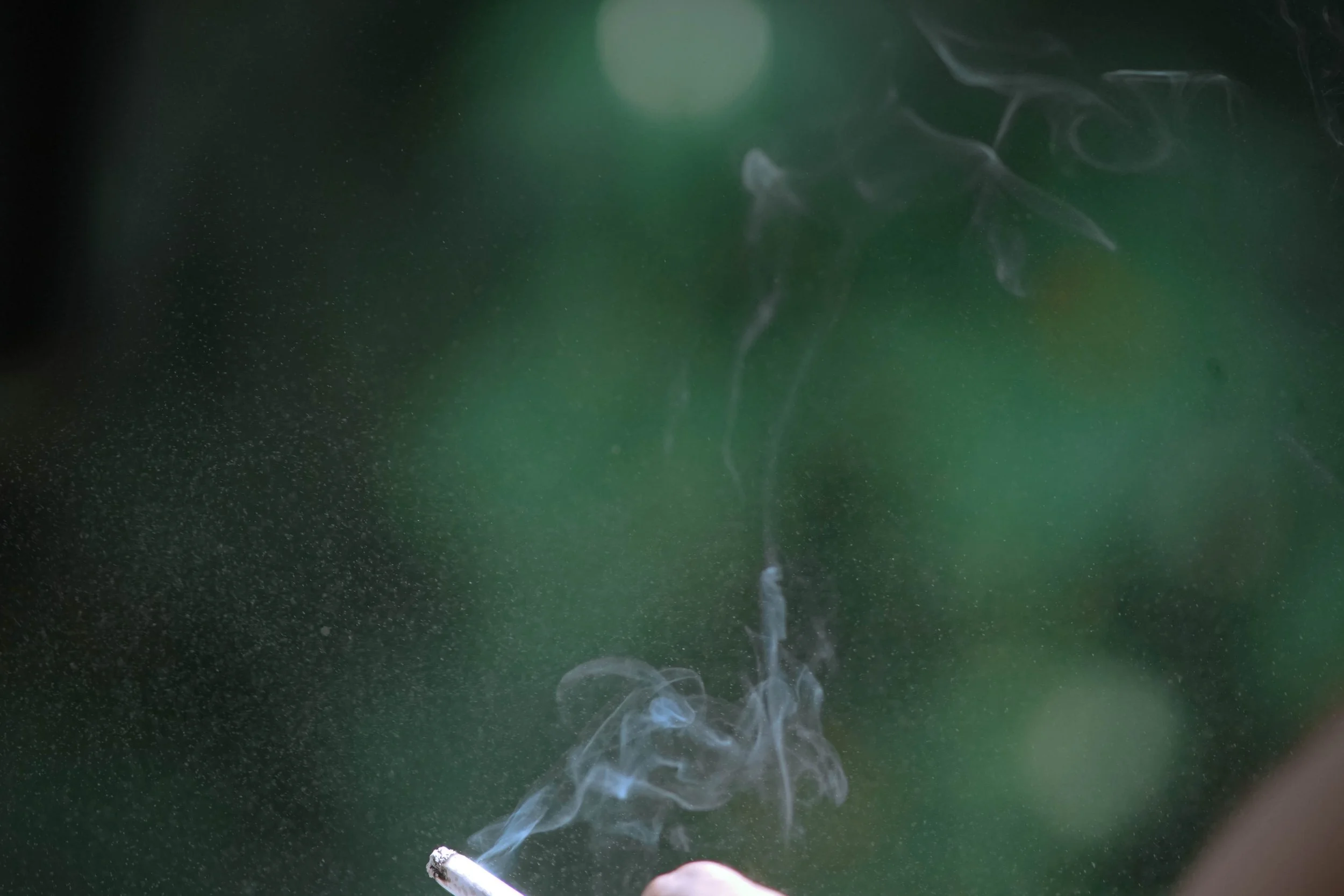
His method is laid-back: if something catches his eye, he shoots it. If a moment echoes something he remembers from a magazine spread, he shoots it. If it reminds him of a scene from a film, he shoots it. There's no single throughline except his own eye recognizing something worth keeping.
Part of the intent is to show how the crew works — not in a technical sense, but as something closer to an atmosphere. He wanted the fun in there too. And that's the real challenge of behind-the-scenes photography as a form. So instead, he chases the small moments that stand in for it and tries to load each frame with his own good mood, rather than narrate it directly.
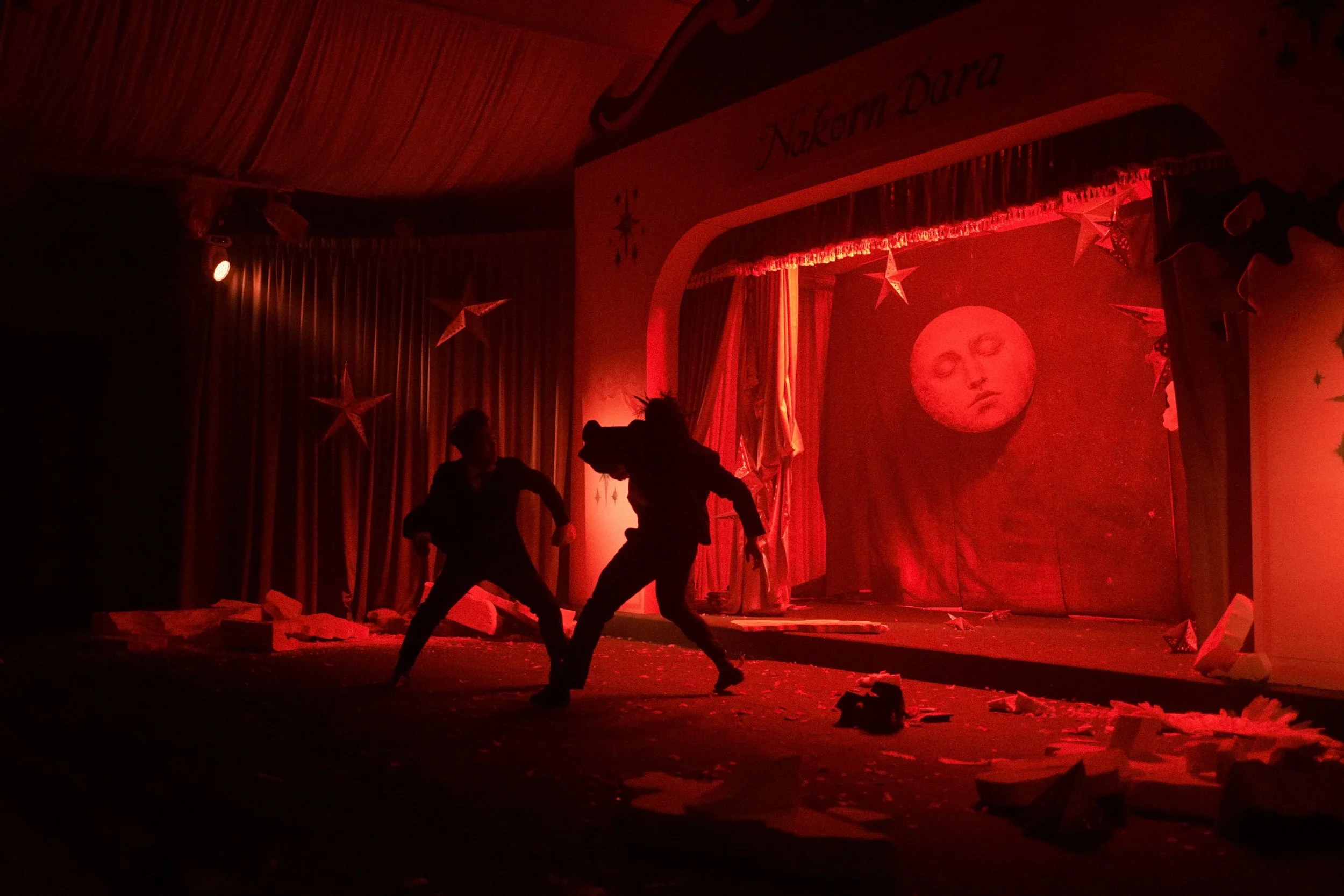
Behind-the-scenes photography in Thailand is conventionally graded to match the look of the production it's documenting. KOIDID does the opposite. He often pulled from studying fashion magazines and picking apart their palettes frame by frame, reverse-engineering the choices until he can apply them himself.
That refusal to simply match the source material is, in a sense, the whole thesis of Yellow Stripe: behind-the-scenes work doesn't have to be a shadow of the main event. It can have its own color, its own point of view, its own reason for existing on the page.